Monday, June 27, 2011

Moth season underway

When I'm very busy with work and am prevented from going out birdwatching like the last two months, the moths are the ones that bail me out, and they've started to come out in full force the last few weeks. So far I haven't seen very many new species for me, but the season is just getting under way. Many of the moths that I've seen so far are some of the very recognizable ones I saw several times last year. So here are the moths:

Toothed Brown Carpet

Pink-Barred Pseudeustrotia - what a mouthful

Porcelain Gray, not a very showy moth

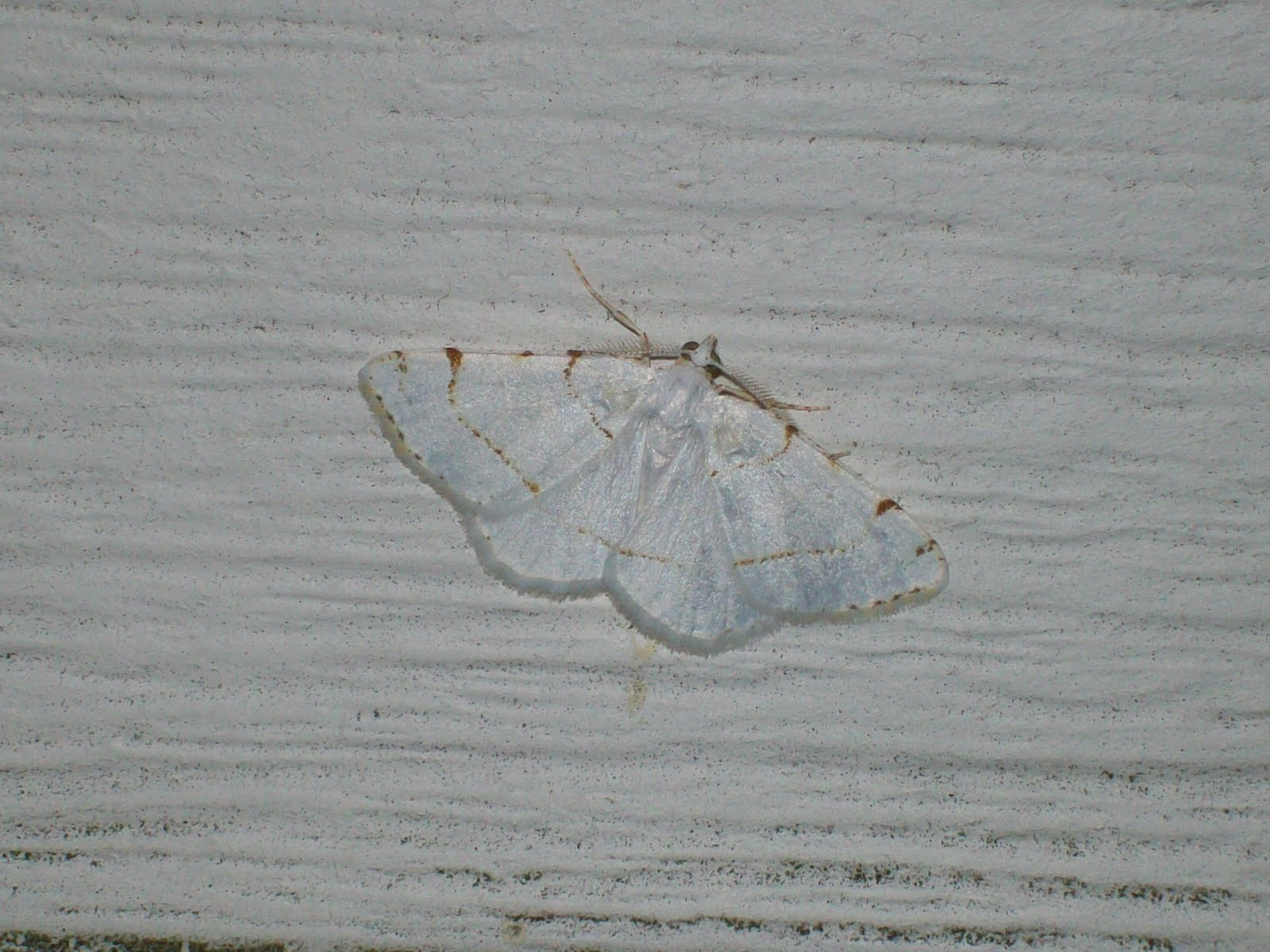
Pale-Marked Angle, also not showy

Brown Bark Carpet

Pale-Marked Angle & Brown Bark Carpet

Green Pug - these have been out consistently for several weeks now 

One-Spotted Variant, usually one or two show up every night

Grape Leaffolder species pair (there's two very closely related species that look exactly the same, in the genus Desmia, so bugguide.net calls them a species pair

Sharp-Angled Carpet

Another picture of a Sharp-Angled Carpet

Finally! A really cool moth: the Wavy-Lined Emerald

Yellow-Fringed Dolichomia

Yellow-Fringed Dolichomia

Lesser Maple Spanworm, first seen on 6/19 and so far every non-rainy night since. They've only maxed out at 7 so far this year, but one night last summer I counted 42!

First Blackberry Looper of the year, one that seemed to show up often but unpredictably last year

Common Idia, a moth that I personally think looks pretty cool, though American Idias look cooler)

Butterflies of May & June

Haven't had much time to either go birdwatching or update the blog, but here are some photos of butterflies I've managed to take this year.

Horace's Duskywing

Juvenal's Duskywing

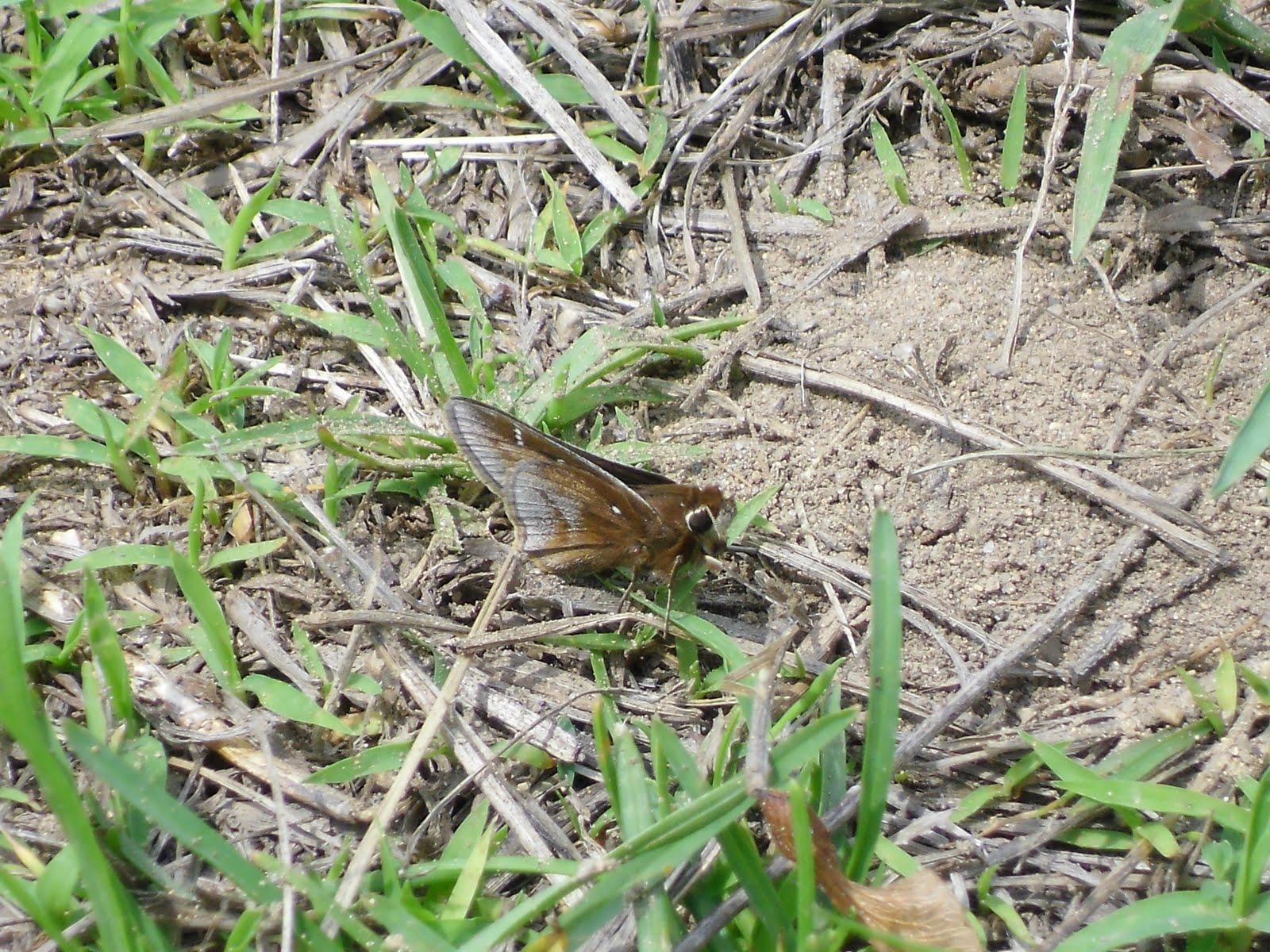
Dusted Skipper

American Copper

Gray Hairstreak with wings open

Gray Hairstreak

Gray Hairstreak

Viceroy

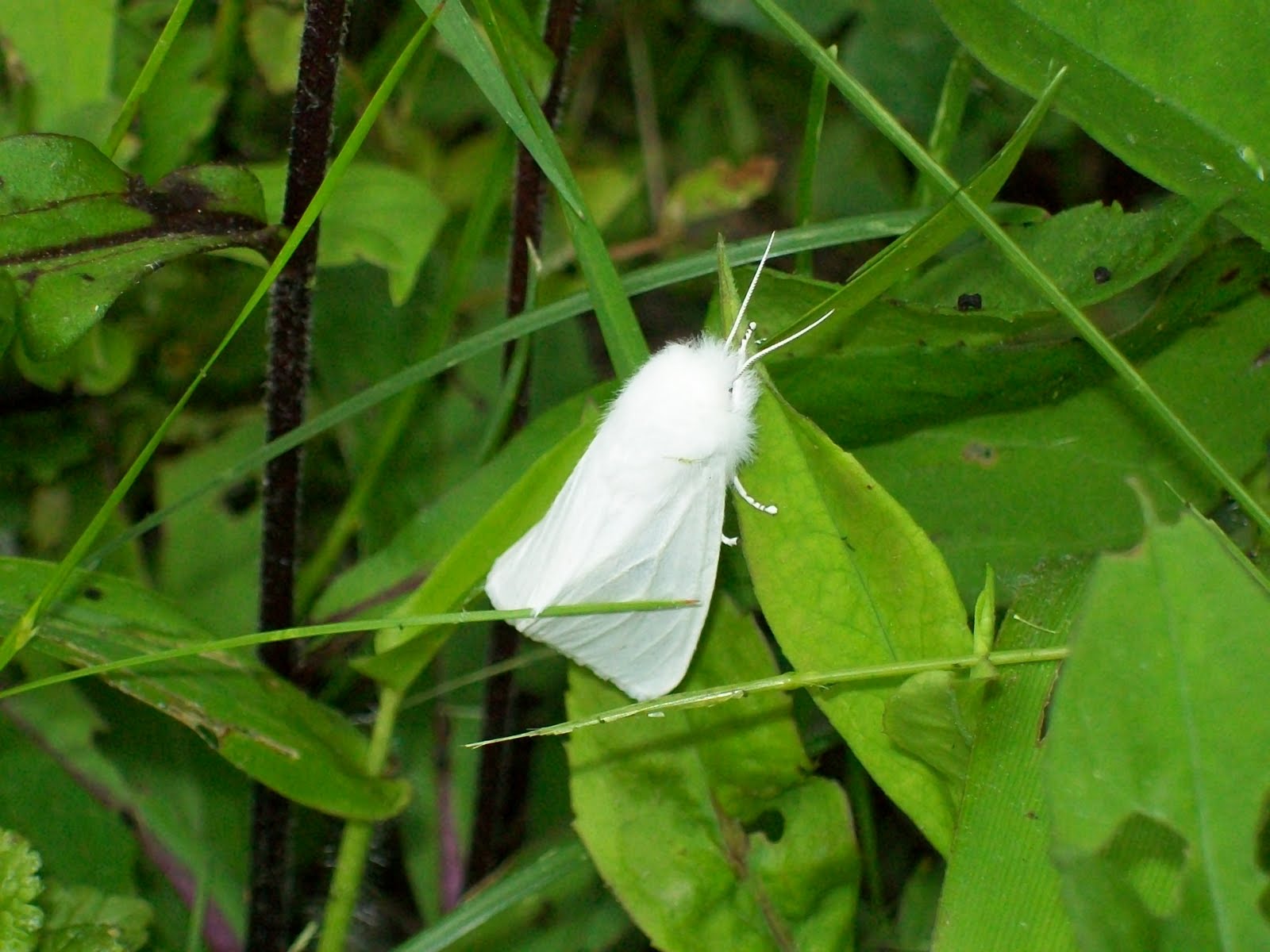
Virginian Tiger Moth

The next 3 butterflies were pretty wary and wouldn't allow me to get near them to get a good picture. These pictures are uncropped.
Red-Spotted Purple

Spicebush Swallowtail

Question Mark

Little Wood Satyr

Hopefully I will be able to go out more during July. The birds might not be easy to find in July, but the Butterflies and Dragonflies are more numerous in July.

Wednesday, June 15, 2011

Wordless Wednesday: Dragonflies of the last few weeks

White-Corporal & Six-Spotted Tiger Beetle

Common Baskettail

Female Whiteface sp.?

Spangled Skimmer Female

White Corporal

White Corporal

White Corporal

White Corporal

Dot-Tailed Whiteface Male


New England Bluet

New England Bluet tail, helping nail down the ID

New England Bluet

Wednesday, June 8, 2011

Boblinks galore at Daniel Webster

Today I decided to explore a place I haven't had the chance to visit yet: Daniel Webster Wildlife Sanctuary in Marshfield, Ma. I didn't really know what to expect, but I have seen many interesting reports on eBird from there. It absolutely did not disappoint; when the first bird you see as you get out of the car is an Eastern Bluebird, you know it's going to be a good day.

Eastern Cottontail

This brave little Eastern Cottontail greeted me right near the parking lot.

Purple Martin colony

Right off the bat, I saw several male Bobolinks doing their weird calls that are still stuck in my head (though I'm not complaining) and a colony of Purple Martins, a first for me.

Purple Martin Colony

The Purple Martins were really cool to watch come and go from their nest houses. If only there had been some shade nearby, I could have spent ages there watching them.

Purple Martin Colony

Purple Martin Colony

Instead, I spent ages sitting in the observation blind building overlooking a secluded little pond (MassAudubon calls it a "panne"). Among the Common Whitetail, Twelve-Spotted Skimmer, Eastern Pondhawk, and Blue Dasher dragonflies were a Killdeer, some Canada Geese with 2 goslings, Red-Winged Blackbirds, Tree Swallows, 2 Green Herons, and a Little Blue Heron (!). I saw one at World's End last friday, but eBird has not accepted my record (they're not particularly common in Massachusetts) yet so...I took pictures of this one through my binoculars.

Little Blue Heron

Sitting down on a bench in a nice breezy building in the shade certainly makes pulling the whole digital-camera-through-the-binoculars task much easier, and I was able to snap these pictures which backup my Little Blue Heron claim completely. 

Little Blue Heron
While I was at it, I snapped this picture of a Tree Swallow that perched on this branch for several minutes. I also witnessed a female Red-Winged Blackbird bringing food to her chicks, and noticed that she had a reddish-organish-rusty patch on her wing near where the males have their epaulet patch. That'll be something that I'll try to get a picture of in a few years when I get a real camera.


Tree Swallow perched on branch near his nest box

It was ridiculously hot out (I think it may have been 95 degrees F) when not in the shade, and the butterflies and dragonflies were anything but cooperative, but the fact that the Bobolinks were all over the place and allowing for some pretty good looks more than made up for it. 

View from Fox HIll
Daniel Webster Wildlife Sanctuary definetly  solidified  itself as a premier destination for me in the future, and it will be one of the first places I long to go to when I have a DSLR camera and a spotting/digiscope. For now, the memories of the Purple Martins, Bobolinks, Little Blue Heron and Green Herons, as well as the always fun to watch Tree Swallows, are enough.

Monday, June 6, 2011

White Corporal Dragonflies at Ames Nowell State Park

Just one day after posting about my longing for decent White Corporal photos, I went to Ames Nowell when I got a chance late in the afternoon. Determined to get decent photos, I was delighted when I found one patrolling a rock outcrop next to the pond. I spent about 5 minutes trying to sneek up on him and snapped the following picture, which was the best of the bunch:

White Corporal dragonfly (male)

I was absolutely determined to get pictures of this guy, and he made it easy by flying back to the same area whenever he was flushed. However, it turns out that he wasn't the only White Corporal that I would have the chance to photograph; I counted 21 mature male White Corporals in the short 1 1/2 that I was there, plus at least 4 more immature males or females.

This is one of the two males who were patrolling the boardwalk:


The White Corporal, Ladona exusta, is one of 3 corporals in its genus, the other two being Blue and Chalk-Fronted Corporals. They are in the skimmer family, Libellulidae, which are a group of dragonflies that are generally the easiest to find due to the fact that many perch on the ground, and perch often.

White Corporals are a rather range-restricted species, being found in a narrow band along the Atlantic coast from Virginia, north through New York and Massachusetts up to Nova Scotia. From my experience, early June seems to be their peak flight period; last year I didn't see any in July. According to the new jersey odes website {http://www.njodes.com/Speciesaccts/skimmers/corp-whit.asp}, they are found near slow streams and muddy ponds. Ames Nowell certainly fits that description.

Perhaps merely due to their restricted range, perhaps due to genuine declines, the White Corporal is listed as G4, which means apparently secure. In this rating, done by natureserve, G5 is essentially Least Concern, and G1 is critically endangered, so G4 is the equivalent of Near Threatened. Hopefully this merely reflects their limited range and not rarity. There are not a lot of pictures of them online, however, on the bright side, the Ames Nowell population seems to be healthy. There were a fair amount of them in the dirt/gravel paths in the power line cut, as well as where the power line cut meets the pond, which is an area festooned with lily pads and other vegetation.